

As a supplier of Standby Diesel Generator Sets, I'm often asked about the working principles of the starting system. In this blog, I'll delve into the details of how the starting system of a Standby Diesel Generator Set operates, providing you with a comprehensive understanding of this crucial component.
The Basics of a Standby Diesel Generator Set
A standby diesel generator set is an essential piece of equipment for many industries and facilities. It serves as a reliable backup power source during power outages, ensuring continuous operation of critical systems. The starting system is the key to getting the generator set up and running when needed.
Components of the Starting System
The starting system of a standby diesel generator set typically consists of several key components:
- Battery: The battery is the primary power source for the starting system. It stores electrical energy and provides the necessary power to start the engine. A high-quality battery is crucial for reliable starting, especially in cold weather conditions.
- Starter Motor: The starter motor is responsible for cranking the engine to initiate the combustion process. When the ignition switch is turned on, the starter motor engages with the flywheel of the engine, causing it to rotate.
- Starter Solenoid: The starter solenoid acts as a switch that controls the flow of electrical current from the battery to the starter motor. It receives a signal from the ignition switch and uses an electromagnetic field to close the circuit, allowing current to flow to the starter motor.
- Glow Plugs (for Diesel Engines): In diesel engines, glow plugs are used to pre - heat the combustion chamber. This helps to improve the ignition process, especially in cold weather. The glow plugs heat up the air in the combustion chamber, making it easier for the diesel fuel to ignite.
- Ignition Switch: The ignition switch is the user - interface component that allows the operator to start and stop the generator set. When the switch is turned to the "start" position, it sends a signal to the starter solenoid, initiating the starting process.
The Starting Process
The starting process of a standby diesel generator set can be broken down into several steps:
- Pre - start Checks: Before starting the generator set, it's important to perform a series of pre - start checks. This includes checking the fuel level, oil level, coolant level, and battery voltage. Any issues should be addressed before attempting to start the generator.
- Glow Plug Activation (Diesel Engines): In diesel engines, the glow plugs are activated first. When the ignition switch is turned to the "pre - heat" position, the glow plugs start to heat up. This process usually takes a few seconds to a minute, depending on the engine and the ambient temperature.
- Starter Motor Engagement: Once the pre - heat process is complete (if applicable), the operator turns the ignition switch to the "start" position. This sends a signal to the starter solenoid, which then closes the circuit between the battery and the starter motor. The starter motor engages with the flywheel of the engine and begins to crank it.
- Combustion Initiation: As the engine cranks, fuel is injected into the combustion chamber. In a diesel engine, the high compression ratio causes the air in the combustion chamber to heat up, and when the fuel is injected, it ignites spontaneously. In a gasoline engine, a spark plug provides the ignition source.
- Engine Startup and Stabilization: Once the combustion process starts, the engine begins to run on its own. The starter motor disengages from the flywheel, and the engine gradually stabilizes at its operating speed. The generator then starts to produce electricity.
Factors Affecting the Starting System
Several factors can affect the performance of the starting system:
- Battery Condition: A weak or discharged battery can prevent the starter motor from functioning properly. Regular battery maintenance, including charging and testing, is essential to ensure reliable starting.
- Temperature: Cold temperatures can significantly reduce the performance of the battery and the starter motor. In cold weather, the battery's capacity decreases, and the oil in the engine becomes thicker, making it more difficult to crank the engine. To address this, some generator sets are equipped with battery heaters and engine block heaters.
- Fuel Quality: Poor - quality fuel can cause starting problems. Contaminated fuel may not ignite properly, leading to hard starting or engine misfires. It's important to use high - quality fuel and keep the fuel system clean.
- Starter Motor and Solenoid Wear: Over time, the starter motor and solenoid can wear out. This can result in slow cranking or failure to start. Regular inspection and maintenance of these components are necessary to ensure their proper functioning.
Our Product Offerings
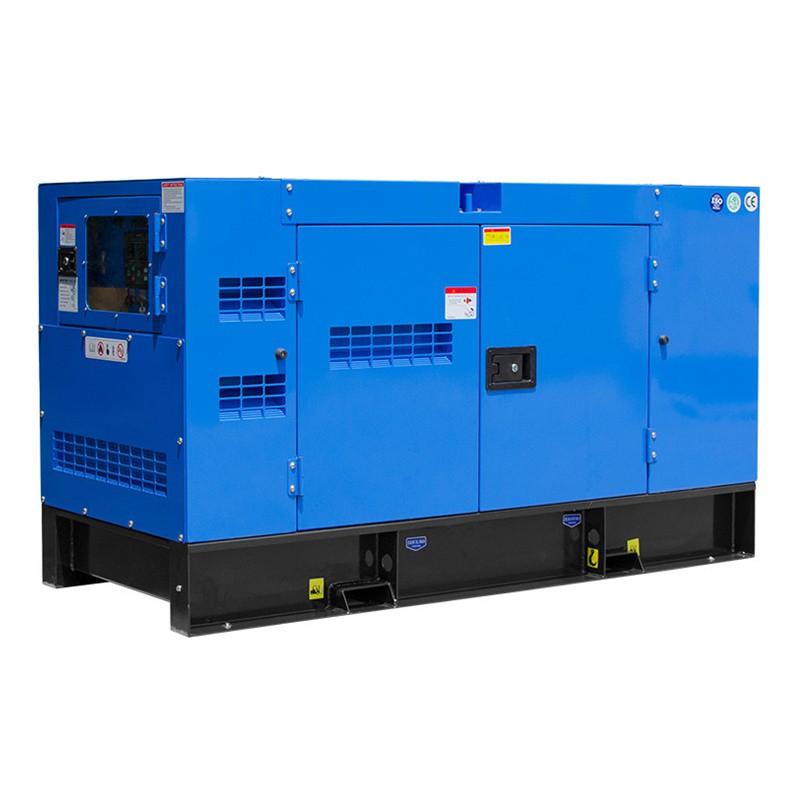
As a leading supplier of Standby Diesel Generator Sets, we offer a wide range of products to meet the diverse needs of our customers. Our Construction Diesel Generator is designed for use in construction sites, providing reliable power for heavy - duty equipment. The Open Type Diesel Generator is a cost - effective option for various applications, offering easy access for maintenance. We also offer Natural Gas Generator, which is a more environmentally friendly alternative.

Contact Us for Procurement
If you're in the market for a Standby Diesel Generator Set, we're here to help. Our team of experts can assist you in selecting the right generator set for your specific needs. Whether you're a small business looking for a backup power solution or a large industrial facility in need of a high - capacity generator, we have the products and expertise to meet your requirements. Contact us today to start the procurement process and ensure reliable power for your operations.
References
- "Diesel Engine Handbook" by Richard Stone
- "Generator Handbook" by John Doe