


Natural gas generators have become a popular choice for homeowners and businesses alike due to their efficiency, reliability, and eco - friendliness. As a natural gas generator supplier, we understand the importance of regular maintenance to ensure the long - term performance and safety of these generators. In this blog, we'll delve into the essential maintenance requirements for natural gas generators and why they are crucial.
Regular Inspections
Regular visual inspections are the first line of defense in maintaining a natural gas generator. These inspections should be carried out at least monthly, if not more frequently, depending on usage.
Exterior Inspection: Begin by examining the exterior of the generator. Look for any signs of damage such as dents, cracks, or rust. Check the housing for proper sealing to prevent the ingress of dust, water, or debris. A damaged housing can expose the internal components to the elements, leading to premature wear and tear.
Fuel System Inspection: Inspect the natural gas supply line for any leaks. Gas leaks are extremely dangerous as natural gas is highly flammable. You can use a gas leak detector or apply a soapy water solution to the connections. If you see bubbles forming, it indicates a leak. Additionally, check the fuel filter. A clogged fuel filter can restrict the flow of natural gas to the engine, causing it to run inefficiently or even stall. Replace the fuel filter as recommended by the manufacturer, usually every 12 - 24 months.
Electrical System Inspection: Examine the electrical connections for signs of corrosion, loose wires, or frayed cables. Loose connections can lead to electrical arcing, which is a fire hazard. Tighten any loose connections and clean corroded terminals using a wire brush or a specialized terminal cleaner. Also, check the battery (if applicable) for proper charge and electrolyte levels. A weak or dead battery can prevent the generator from starting.
Oil and Lubrication
Just like any other internal combustion engine, natural gas generators require proper oil lubrication. The oil lubricates the moving parts of the engine, reduces friction, and helps dissipate heat.
Oil Level Check: Regularly check the oil level in the generator's engine. This should be done before each use or at least monthly for standby generators. Use the dipstick provided by the manufacturer to measure the oil level. If the oil level is low, add the recommended type and grade of oil. However, be careful not to overfill the oil, as this can cause engine damage.
Oil Change: Oil changes are a crucial part of generator maintenance. Over time, the oil breaks down and becomes contaminated with dirt, debris, and combustion by - products. A dirty oil can no longer effectively lubricate the engine, leading to increased wear and tear. The frequency of oil changes depends on the generator's usage and the manufacturer's recommendations. Generally, oil should be changed every 100 - 200 operating hours or at least once a year for standby generators.
Cooling System Maintenance
The cooling system plays a vital role in keeping the generator's engine at an optimal operating temperature. If the engine overheats, it can cause serious damage to the internal components.
Coolant Level Check: Regularly check the coolant level in the radiator or coolant reservoir. The coolant level should be between the minimum and maximum marks. If the coolant level is low, add the appropriate coolant mixture as specified by the manufacturer. Do not use water alone, as it can cause corrosion and freezing issues.

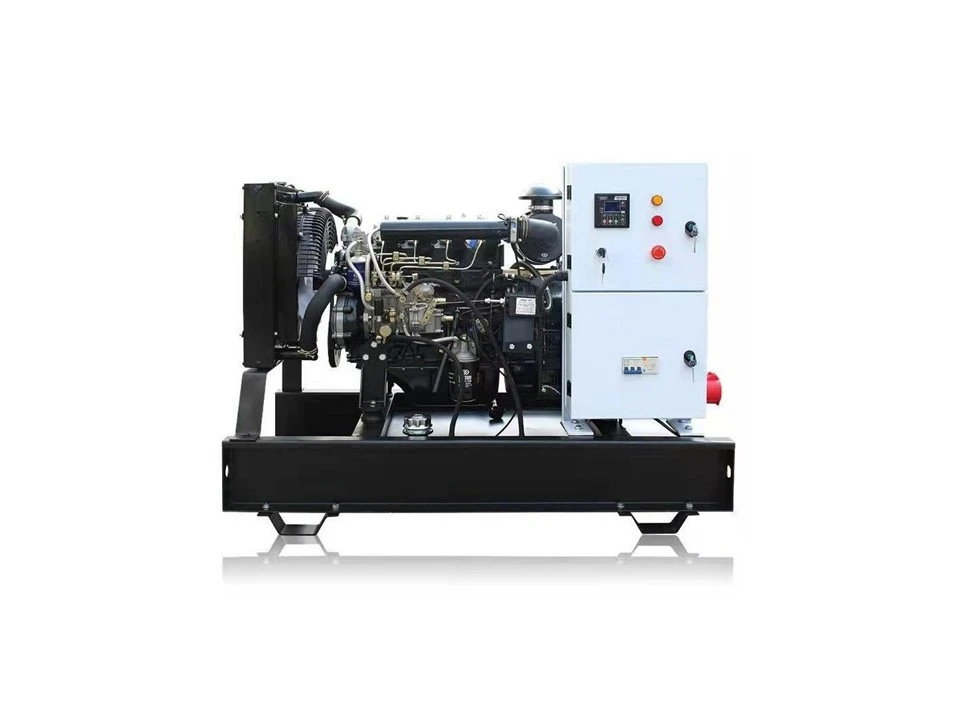
Radiator Inspection: Inspect the radiator for any blockages or damage. A blocked radiator can restrict the flow of coolant, leading to overheating. Use a soft brush or compressed air to clean any debris from the radiator fins. Check the radiator hoses for signs of cracks, leaks, or bulges. Replace any damaged hoses promptly.
Air Intake and Exhaust System Maintenance
The air intake and exhaust systems are essential for the proper functioning of the generator.
Air Filter Replacement: The air filter prevents dirt, dust, and other contaminants from entering the engine. A dirty air filter can restrict the airflow to the engine, reducing its performance and fuel efficiency. Replace the air filter as recommended by the manufacturer, usually every 100 - 200 operating hours or once a year for standby generators.
Exhaust System Inspection: Check the exhaust system for any leaks or blockages. Exhaust leaks can pose a serious health risk as they can allow carbon monoxide to enter the living or working space. Carbon monoxide is a colorless, odorless gas that can be fatal if inhaled in high concentrations. Look for signs of rust, cracks, or loose connections in the exhaust pipes and muffler. Ensure that the exhaust is properly vented to the outside.
Battery Maintenance (if applicable)
If your natural gas generator has a battery for starting, proper battery maintenance is crucial.
Charging: Keep the battery charged to ensure reliable starting. You can use a battery charger to maintain the charge level, especially if the generator is in standby mode for an extended period. Avoid over - charging or under - charging the battery, as both can shorten its lifespan.
Terminal Cleaning: Clean the battery terminals regularly to prevent corrosion. Corroded terminals can impede the flow of electricity and prevent the battery from charging or discharging properly. Use a wire brush and a terminal cleaner to remove any corrosion.
Load Testing
Periodic load testing is an important part of generator maintenance. Load testing involves running the generator under a simulated or actual load to ensure that it can deliver the rated power output. This helps identify any potential issues with the generator's performance, such as power surges, voltage drops, or overheating.
Load testing should be carried out at least once a year or more frequently if the generator is used in critical applications. You can hire a professional electrician to perform the load testing or use a load bank if you have the necessary expertise.
Comparison with Diesel Generators
While natural gas generators have their advantages, diesel generators also have their place in the market. For example, Low RPM Diesel Generator offers different features compared to natural gas generators. Diesel generators are known for their high torque and fuel efficiency in certain applications. Similarly, Construction Diesel Generator are designed for the rugged environment of construction sites. However, natural gas generators are often more environmentally friendly and have lower emissions.
When it comes to larger power requirements, 1000kW Container Diesel Generator can be a suitable option for some industrial settings. 3 Cylinder Diesel Generator are more compact and may be used in smaller applications. And 200 Amp Diesel Generator are designed to provide a specific level of electrical current.
Importance of Professional Maintenance
While regular inspections and basic maintenance tasks can be carried out by the generator owner, it's also important to have the generator serviced by a professional at least once a year. A professional technician has the expertise and tools to perform in - depth inspections and maintenance tasks, such as adjusting the engine timing, checking the ignition system, and calibrating the voltage regulator. Professional maintenance can help identify and address potential issues before they become major problems, ensuring the long - term reliability and performance of the generator.
Contact for Purchase and Consultation
If you're in the market for a natural gas generator or need more information about generator maintenance, we're here to help. Our team of experts can assist you in choosing the right generator for your needs and provide guidance on proper maintenance. Whether you have a small residential application or a large industrial requirement, we have the solutions to meet your power needs. Don't hesitate to reach out to us for more details and to start a purchase negotiation.
References
- Manufacturer's manuals for natural gas generators
- Electrical and mechanical engineering textbooks on generator systems
- Industry standards and guidelines for generator maintenance