


If you run a radio station, you know how critical uptime is. When the power cuts out mid-broadcast, it’s not just a minor inconvenience—it can leave your listeners in the dark, disrupt emergency alerts, and even damage expensive broadcast gear. A diesel generator is the workhorse that keeps your signal on air, but figuring out the cost isn’t just about picking the first unit you find. There are dozens of factors, from size and noise level to automation features, that shape what you’ll pay. As someone who’s spent years helping radio stations navigate these choices, I’ve broken down the real costs, hidden fees, and key considerations so you can make a smart investment that fits your station’s needs.
First, let’s start with the basics: the core price of the generator itself, and it varies widely based on power output. Radio stations depend on consistent power for transmitters, audio consoles, servers, and backup systems, so you can’t just grab a tiny unit that powers a few lights. Most small to medium stations, like community FM outlets or local music stations, need generators between 20 kW and 75 kW. Larger stations with big studios, multiple transmitters, and full-time on-air staff might need 100 kW to 250 kW.
A 20 kW entry-level diesel genset will run you between $5,000 and $10,000, while a 75 kW mid-range unit is $10,000 to $20,000. For stations needing 150 kW, expect to pay $25,000 to $40,000, and industrial-grade units above 250 kW can top $60,000. But here’s the catch: that’s just the upfront hardware cost. You can’t plop a generator in the middle of a city studio or a small rural transmitter site and call it a day. Installation costs add another 15% to 30% of the unit’s price, depending on how much work is needed.
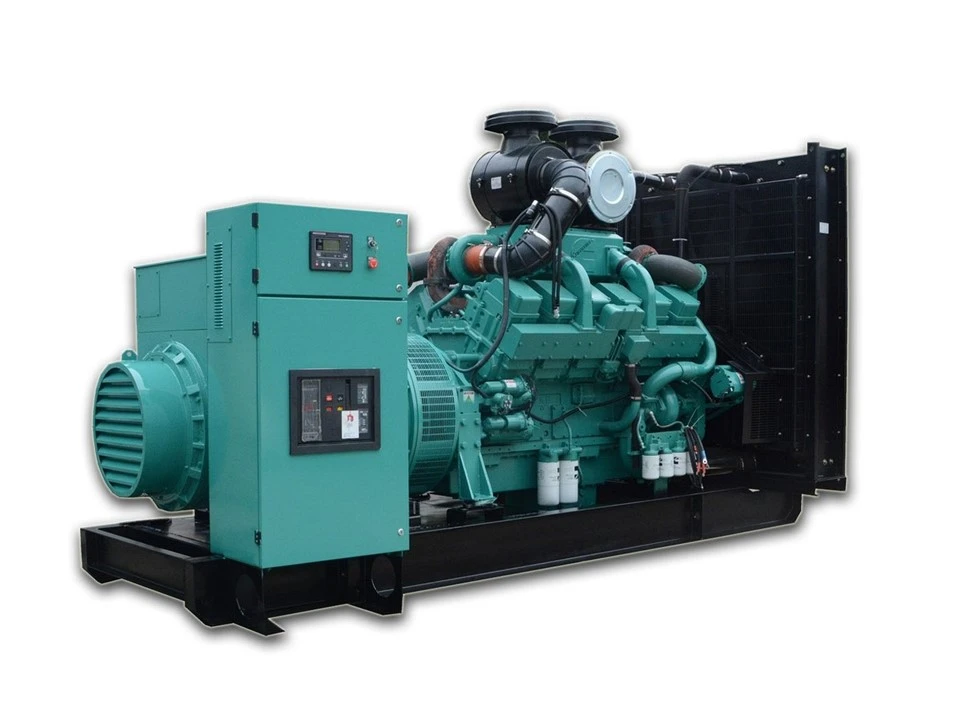

Installation isn’t just hooking up wires. Radio stations often have strict zoning and noise regulations, especially if they’re located in residential or downtown areas. If your generator is too loud, you could get fined, or even forced to replace it entirely. That’s where noise levels become a huge factor in both upfront and long-term costs. A standard diesel generator can run at 75 to 85 decibels (dB) at 23 feet—about as loud as a busy street corner. That’s not going to fly for most urban stations. Quieted models drop to 60 to 65 dB, similar to normal conversation, and that extra noise reduction adds to the price. For example, a 50 kW standard genset might cost $8,000, while a low-noise version like the ones we offer here at [Our Brand] through our Low Noise Automatic Transfer Diesel Generator line will set you back $10,000 to $12,000 for the same power. The good news is that investing in a low-noise unit now avoids costly retrofits later, like adding soundproof enclosures or relocating the generator, which can run $5,000 to $15,000 on top of installation.
Another non-negotiable for radio stations is reliability, which ties directly to automation features. When the power goes out, you can’t have someone running out to the transmitter site to turn on the generator—airtime waits for no one. Automatic transfer switches (ATS) and auto-start functionality are essential. A basic manual transfer switch is cheap, around $500, but it requires someone to be on-site to flip it. For radio stations, that’s not an option. An automatic transfer switch, which detects power outages and connects the generator to your system in seconds, is a must-have. Pair that with an auto-start feature, which fires up the generator within 10 to 30 seconds of an outage, and you can keep broadcasting without missing a beat.
These automation features add to the upfront cost, but they’re worth every penny. A genset with a basic ATS will add $1,000 to $3,000 to the unit price, while a fully automatic system with remote monitoring—so you can check on the generator’s status from your studio or phone—can run $3,000 to $6,000 more. To give you an idea, our Silent Automatic Transfer Diesel Generator models come pre-configured with high-quality ATS and auto-start, tailored for commercial applications like radio stations. We also have Automatic Control Transfer Diesel Generator units that offer advanced features like load management, which adjusts power output to match your station’s needs, saving fuel and reducing wear on the generator.
Fuel costs are another ongoing expense that’s often overlooked. Diesel is the most common fuel for generators because it’s efficient, has a long shelf life, and is less flammable than gasoline. But the price of diesel fluctuates, and how much fuel your generator uses depends on its load. A 50 kW generator runs about 10 gallons of fuel per hour at full load, while a 100 kW unit uses 18 to 25 gallons per hour. If your station has extended outages—like during a storm—you’ll need to store enough fuel to keep the generator running for days. Storing 500 gallons of diesel in an approved tank costs $1,500 to $3,000 upfront, and you’ll need to rotate the fuel every 6 to 12 months to prevent it from going bad, adding $500 to $1,000 in annual fuel maintenance. For stations in areas prone to long power outages, investing in a larger fuel tank, like a 1,000-gallon tank for $3,000 to $5,000, saves you from having to refuel constantly during an outage, but that’s another upfront cost to factor in.
Maintenance is a big part of the total cost of ownership over the generator’s lifespan. A diesel genset for a radio station should be serviced every 100 to 200 hours of operation, which includes oil changes, filter replacements, and battery checks. The average annual maintenance cost for a genset is 2% to 5% of its initial purchase price. So a $15,000 mid-range unit will cost you $300 to $750 a year to maintain, while a $30,000 larger unit is $600 to $1,500 a year. Skipping maintenance leads to breakdowns, which are way more expensive—replacing a broken engine or alternator can cost thousands of dollars, and a generator that fails during an outage costs your station in lost ad revenue and listener trust.
Warranty and after-sales support also affect the overall value. A quality generator should come with a 2 to 5-year warranty covering parts and labor. Extended warranties, which add $1,000 to $3,000 upfront, can save you from costly repairs down the line, especially if your station uses the generator heavily. At [Our Brand], our Standby Genset line comes with a 3-year standard warranty, and we offer on-site service for all our products, so if something goes wrong, a technician can be at your transmitter site quickly. We also provide training for your staff to do basic checks, like fuel levels and filter changes, to reduce downtime between service visits.
Let’s look at real-world examples to put this all together. Take a small community radio station with a 50 kW setup in a downtown residential area. They need a quiet genset to avoid noise complaints, an auto-start system to keep broadcasting during power outages, and a 500-gallon fuel tank. The base unit would be around $11,000 for our Silent Automatic Transfer Diesel Generator. Installation, including soundproofing and zoning-compliant setup, runs $4,000. The fuel tank is $2,000, and adding remote monitoring adds $1,500. Total upfront cost: $18,500. Annual costs: fuel for 100 hours of operation (assuming 4 hours per month average outage) is around $1,200, maintenance is $400, fuel rotation and tank upkeep is $300. Total annual operating cost: $1,900. Over 10 years, that’s a total of $37,500, and the generator will likely last 15 to 20 years with proper maintenance.
Compare that to a mid-sized commercial station with a 100 kW generator in a suburban area, needing to run during severe weather events that can cause multi-day outages. They’d opt for a robust Automatic Control Transfer Diesel Generator with a 1,000-gallon fuel tank and extended warranty. The base genset is $22,000, installation is $7,000, fuel tank is $4,000, extended warranty is $2,500, and auto-start with load management is $3,000. Total upfront cost: $38,500. Annual costs: fuel for 200 hours of operation is $2,400, maintenance is $1,000, fuel upkeep is $500. Total annual operating cost: $3,900. Over 10 years, that’s $77,500, and the generator will keep the station on air through even the longest storms.
Now, it’s important to avoid common mistakes that end up costing radio stations more in the long run. The first is buying a generator that’s too small. If you get a 20 kW unit for a station that needs 50 kW, it will constantly run at full load, wearing out faster and using more fuel. On the flip side, buying a unit that’s way too big wastes money on upfront costs and inefficient low-load operation. Another mistake is skipping noise reduction. As I mentioned earlier, zoning laws are strict in most areas, and a loud generator can lead to fines or orders to replace it. For example, a station in Chicago got fined $1,000 a day for running a non-quiet generator during peak hours before they upgraded to a low-noise model— that’s a huge unnecessary cost.
At [Our Brand], we specialize in helping media outlets like radio stations choose the right generator for their specific needs, no matter the size. Our Auto Start Transfer Diesel Generator line is designed with broadcasters in mind, with fast start times, reliable power, and options to fit any space. We work with you to assess your station’s power requirements, local noise regulations, and outage history to create a custom solution that fits your budget. Whether you’re a small community station just starting out or a large commercial broadcaster with multiple transmitter sites, we have the expertise to guide you through every step, from selecting the right unit to installation and ongoing maintenance.
If you’re tired of worrying about power outages disrupting your broadcast, or you’re ready to upgrade your current generator to a more reliable, cost-effective model, we’re here to help. Contact our team today to discuss your diesel generator needs, and we’ll provide a tailored quote that fits your station’s budget. We don’t believe in one-size-fits-all solutions, and our goal is to make sure you have a generator that keeps your signal on air, your listeners engaged, and your operations running smoothly for years to come.
References
- U.S. Energy Information Administration. (2024). Diesel Fuel Prices and Market Trends. Retrieved from eia.gov
- National Fire Protection Association. (2023). Standard for Stationary Engine Generator Assemblies (NFPA 37).
- Federal Communications Commission. (2022). Station Engineering and Operation Rules for Broadcast Radio Stations. Retrieved from fcc.gov
- Diesel Technology Forum. (2023). Cost of Ownership for Diesel Backup Generators. Retrieved from dieselforum.org
- Occupational Safety and Health Administration. (2022). Safety Standards for Generator Installation and Operation. Retrieved from osha.gov