


As a supplier of high voltage diesel generators, I've witnessed firsthand the critical role that cooling systems play in the efficient and reliable operation of these powerful machines. In this blog, I'll delve into the intricacies of the cooling system of a high voltage diesel generator, exploring its components, functions, and the importance of proper maintenance.
The Basics of a High Voltage Diesel Generator Cooling System
A high voltage diesel generator is a complex piece of equipment that converts the chemical energy of diesel fuel into electrical energy. During this process, a significant amount of heat is generated, which can cause damage to the generator's components if not properly managed. This is where the cooling system comes in.
The primary function of the cooling system is to remove the excess heat generated by the engine and the generator, ensuring that they operate within their optimal temperature range. This not only extends the lifespan of the equipment but also improves its efficiency and reliability.
Components of the Cooling System
The cooling system of a high voltage diesel generator typically consists of the following components:
Radiator
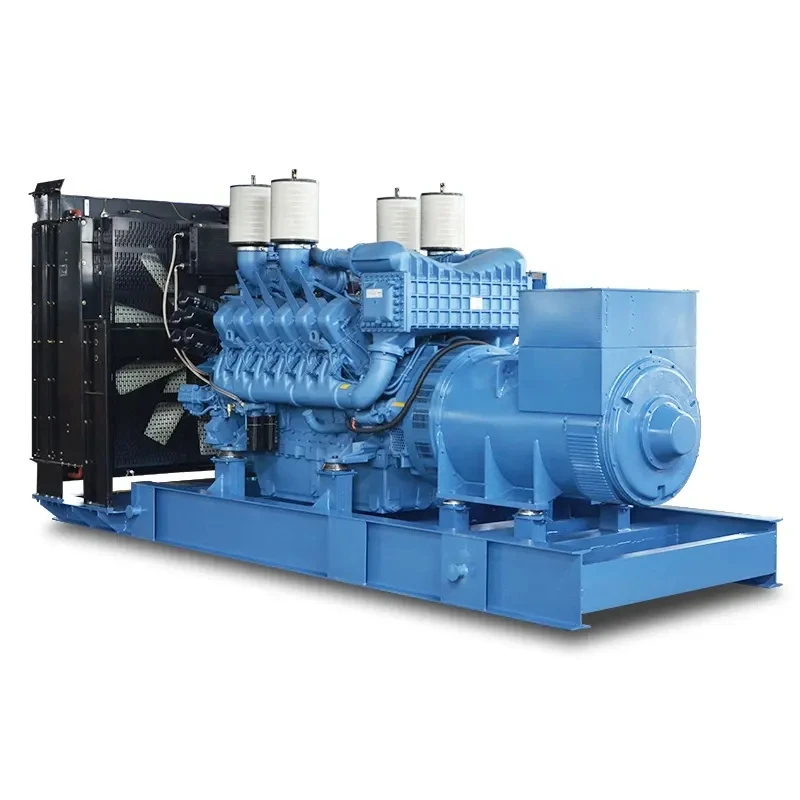
The radiator is the heart of the cooling system. It is a heat exchanger that transfers the heat from the coolant to the surrounding air. The radiator is usually made of aluminum or copper and is designed to maximize the surface area for heat transfer. It is equipped with a series of tubes and fins that allow the coolant to flow through and dissipate the heat.
Coolant
The coolant, also known as antifreeze, is a mixture of water and chemicals that helps to regulate the temperature of the engine. It absorbs the heat generated by the engine and transfers it to the radiator. The coolant also prevents the water from freezing in cold temperatures and protects the engine from corrosion.
Water Pump
The water pump is responsible for circulating the coolant through the engine and the radiator. It is driven by the engine's crankshaft and ensures that the coolant flows at a constant rate. The water pump is usually located at the front of the engine and is connected to the radiator by hoses.
Thermostat
The thermostat is a temperature-sensitive valve that regulates the flow of coolant through the engine. It opens and closes based on the temperature of the coolant, ensuring that the engine operates at the optimal temperature. When the engine is cold, the thermostat remains closed, allowing the coolant to circulate only through the engine. As the engine warms up, the thermostat opens, allowing the coolant to flow through the radiator and dissipate the heat.
Fan
The fan is used to increase the airflow through the radiator, enhancing the heat transfer process. It is usually driven by the engine's crankshaft or an electric motor. The fan can be either a mechanical fan or an electric fan, depending on the design of the generator.
Types of Cooling Systems
There are two main types of cooling systems used in high voltage diesel generators: air-cooled and water-cooled.
Air-Cooled Systems
Air-cooled systems use the surrounding air to cool the engine and the generator. They are typically simpler and more cost-effective than water-cooled systems. Air-cooled generators are often used in small to medium-sized applications where space is limited or where water is not readily available.
The air-cooled system consists of a radiator and a fan. The fan draws air through the radiator, which cools the coolant. The coolant then circulates through the engine, absorbing the heat and transferring it to the radiator.
Water-Cooled Systems
Water-cooled systems use water as a coolant to remove the heat from the engine and the generator. They are more efficient and effective than air-cooled systems, especially in large-scale applications. Water-cooled generators are commonly used in industrial settings, power plants, and other applications where high power output is required.
The water-cooled system consists of a radiator, a water pump, a thermostat, and a fan. The water pump circulates the coolant through the engine and the radiator. The thermostat regulates the flow of coolant, ensuring that the engine operates at the optimal temperature. The fan increases the airflow through the radiator, enhancing the heat transfer process.
Importance of Proper Maintenance
Proper maintenance of the cooling system is essential for the efficient and reliable operation of a high voltage diesel generator. Here are some key maintenance tasks that should be performed regularly:
Check the Coolant Level
The coolant level should be checked regularly to ensure that it is at the proper level. Low coolant levels can cause the engine to overheat, leading to damage to the components. If the coolant level is low, it should be topped up with the recommended coolant mixture.
Inspect the Radiator
The radiator should be inspected regularly for any signs of damage or blockage. A damaged radiator can reduce the efficiency of the cooling system, while a blocked radiator can prevent the coolant from flowing properly. If the radiator is damaged or blocked, it should be repaired or replaced.
Replace the Coolant
The coolant should be replaced at regular intervals, as recommended by the manufacturer. Over time, the coolant can become contaminated with dirt, debris, and other impurities, which can reduce its effectiveness. Replacing the coolant ensures that the cooling system operates at its optimal performance.
Check the Water Pump
The water pump should be inspected regularly for any signs of leaks or damage. A leaking water pump can cause the coolant to leak out, leading to low coolant levels and overheating. If the water pump is damaged, it should be replaced.
Inspect the Fan
The fan should be inspected regularly for any signs of damage or wear. A damaged fan can reduce the airflow through the radiator, leading to overheating. If the fan is damaged, it should be replaced.
Conclusion
In conclusion, the cooling system of a high voltage diesel generator is a crucial component that plays a vital role in the efficient and reliable operation of the equipment. By understanding the components, functions, and types of cooling systems, as well as the importance of proper maintenance, you can ensure that your high voltage diesel generator operates at its optimal performance.
If you're in the market for a high voltage diesel generator, we offer a wide range of products to meet your needs. Check out our 300kVA Mining Diesel Generator, 11kv Diesel Generator, 1000KVA Power Generators, and 6.6kv Diesel Genset. Our generators are designed to provide reliable power and are backed by our commitment to quality and customer service.
If you have any questions or would like to discuss your specific requirements, please don't hesitate to contact us. We're here to help you find the perfect high voltage diesel generator for your application.

References
- Diesel Generator Handbook, Various Authors
- Principles of Heat Transfer, Frank P. Incropera, David P. DeWitt