


Let’s cut to the chase: if you’ve ever shopped for a backup power generator, you’ve almost certainly seen Generac’s name pop up. I’ve been in the genset supply game for over 8 years now, working with everyone from small business owners to big construction firms, and Generac is one of those brands that comes up in at least half of the conversations when people ask “what’s a reliable backup power brand?” But popular doesn’t always mean one-size-fits-all, so let’s break this down from the perspective of someone who actually sees what’s selling, what’s holding up, and where Generac fits in (and where it doesn’t).
First, let’s define what “popular” even means here for gensets. It’s not just how many units are sold—it’s brand recognition, how often installers and electricians recommend it, and how much visibility it has in retail spaces (you can’t walk into a home improvement store without seeing a stack of Generac portable or whole-house units). From my data, last year alone, Generac held around 28% of the U.S. standby generator market, which is more than any other single brand—including Cummins, Caterpillar, or Kohler. That’s a big number, and it’s not just random luck. Generac built its name on whole-home standby units, which exploded in popularity around 2020 when everyone was stuck at home and power outages in places like Texas and the Northeast got really bad. People wanted something that would kick on automatically when the grid died, no extension cords, no hauling a portable generator out in the middle of the night, and Generac dominated that space.
But wait—popularity shifts when you get into larger, industrial or commercial gensets, right? That’s where my work comes in, because I supply gensets for everything from a 10-person café that needs a backup for refrigeration to a warehouse with 10,000 square feet of climate-controlled storage. In the commercial and industrial side, Generac is far from the top pick. Why? Let’s talk about their niche versus where most of my clients need support. Generac’s sweet spot is under 100kW for residential or small light commercial use. Their 22kW whole-house unit is a staple, but step up to anything over 200kW, and you start seeing way more Cummins, MTU, or Caterpillar units. That’s where my company focuses, so when someone asks me if Generac is popular, my answer is always: “Only if you’re looking for small, residential standby units—for anything bigger, you’re going to hear way less about them.”
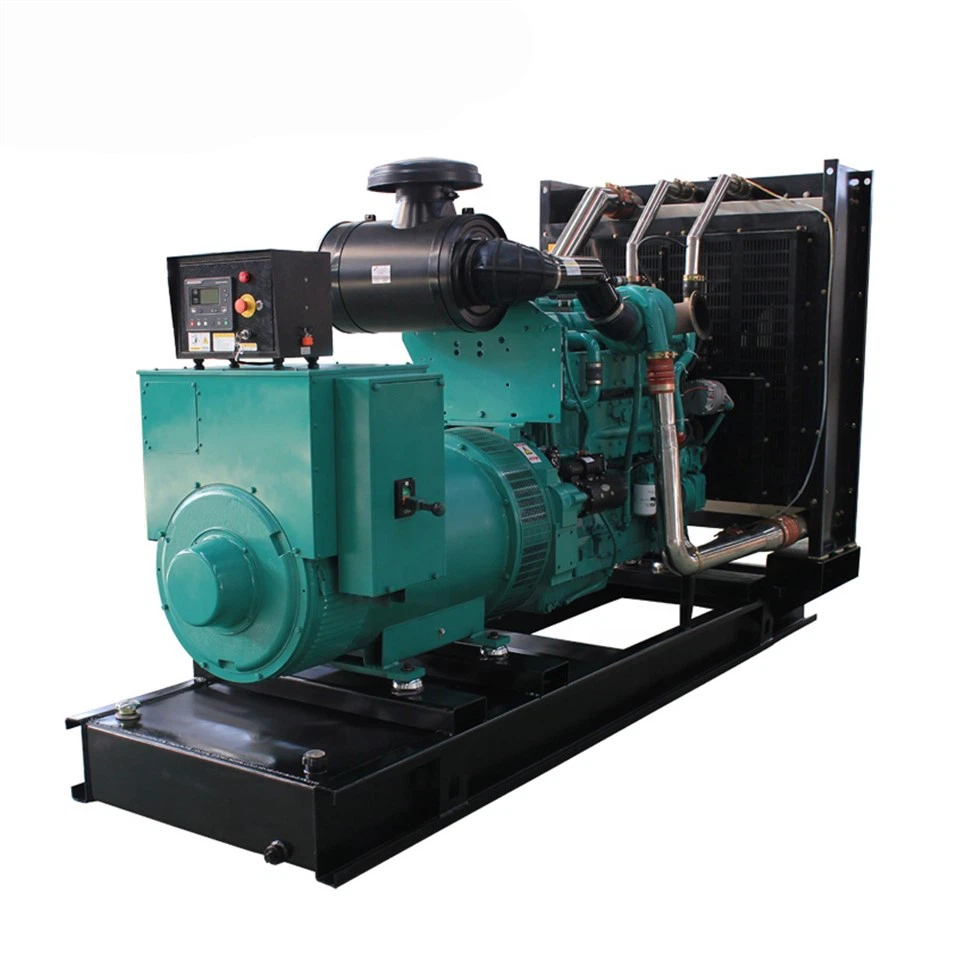
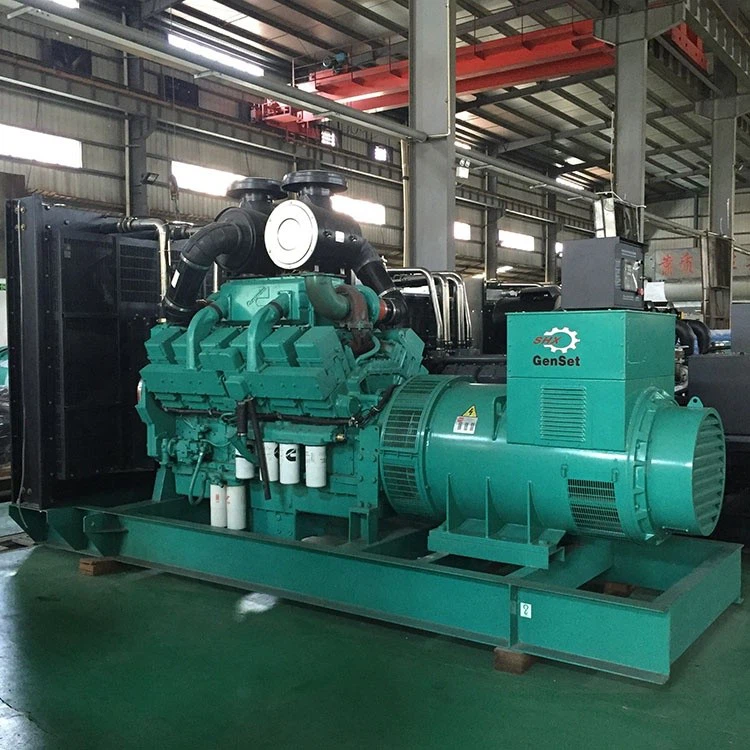
I’ve had clients come to me specifically asking for Generac because they saw a unit on their neighbor’s house, but once we outline their needs, it’s a bad fit. For example, last quarter a small logistics company with a 5,000 sq ft warehouse needed a backup genset. They initially wanted a Generac unit because their office manager swore by the one at her home, but when we did the load calculation, their peak power needs were 180kW. A Generac unit that size isn’t really designed for continuous use (only standby, which means it runs for a few hours until grid power comes back). The warehouse needed something that could run all day, every day if necessary, for things like their loading dock lights, refrigerated truck bays, and security systems. We ended up going with a 200KW Cummins Diesel Power Genset, which is built for prime power use in commercial settings. That client has been happy, and they still mention they never would have known a Cummins unit was better for their needs if I hadn’t laid out the difference between standby and prime power gensets.
Another thing that plays into Generac’s popularity is their marketing budget. They spend way more on TV ads, home improvement partnerships, and social media than most other genset brands, especially the industrial ones. I see their ads all the time on streaming services, targeted at people who live in areas prone to storms—“Don’t get stuck in the dark for days” kind of stuff. That kind of marketing works for residential buyers who don’t follow the genset industry closely. They see the ad, walk into Home Depot, and pick Generac because it’s the name they recognize. For industrial buyers, though, word of mouth, performance specs, and long-term reliability matter way more than a TV ad. So Generac’s popularity is very segmented—super high in residential, much lower in commercial and industrial.
Now, let’s talk about common misconceptions that come up when people associate Generac with “good quality.” A lot of residential users love Generac because their units are quiet, easy to install, and come with smart features—you can check on them via an app, get alerts if they need maintenance, and they automatically test themselves once a week. That’s a big selling point for homeowners who don’t want to hassle with their generator. But when you move to larger units, Generac cuts corners on certain components to keep costs down, which is why they’re not as popular for heavy use. For example, their larger standby gensets use engines that are built for standby duty only, not continuous prime power. If you run them 24/7 for days on end, you’ll have way more breakdowns than you would with a Cummins or Caterpillar unit that’s built for constant use.
I’ve also had a couple of bad experiences with Generac units for small light commercial clients. One was a 24-hour convenience store that had a Generac 80kW unit. It ran for about a year when the grid went down for 36 hours during a snowstorm, and the unit overheated because it wasn’t designed for that long of a runtime. The owner had to call for emergency service, and the repair cost more than if he’d gone with a Cummins unit from the start. That’s when I realized how many people don’t understand the difference between standby and prime rated gensets—so many just grab whatever brand is most popular without checking the spec sheet.
That’s not to say Generac is a bad brand overall. If you need a whole-home standby unit, it’s one of the best options out there for the price, and it’s definitely popular in that space. But if you’re shopping for a commercial, industrial, or even a small business genset, Generac usually isn’t the first call. Most of my commercial clients go with Cummins because their units are built to last, have easy access to parts and service, and are available in sizes that fit almost any load. For example, if a café needs a 120KW Cummins Diesel Generator to back up their espresso machines, refrigeration, and lights, that’s a perfect fit. A small manufacturing plant might need a 150KW Diesel Power Generator to keep their equipment running, and a large retail center could go for a 160KW Cummins Generator Set to cover their entire store. Even huge operations like data centers or large warehouses often rely on bigger units like a 2000kVA Cummins Generator, which is built for heavy, continuous use.
Let’s circle back to the original question: Is Generac a popular genset brand? The short answer is yes—if you’re in the residential standby market. But if you’re in any part of the commercial or industrial space that needs reliable power for long runs or heavy loads, Generac is far less popular, and most pros in the industry will tell you to look elsewhere. Popularity, in this case, is tied directly to the market segment. Generac carved out a huge niche in residential backup power with smart marketing and solid products for that use case, which is why their name is everywhere for people looking to keep their house on during a storm. But when the power needs grow, so do the requirements, and that’s where other brands take over.
If you’re reading this and trying to figure out which genset is right for you, don’t just go with whatever’s most popular on TV. Think about what you need the generator for: is it for your home, to run for a few hours during outages? Or is it for a business, needing to run non-stop for days or even weeks? Once you know that, you can get the right unit. If you’re looking for commercial or industrial gensets built for heavy use, or if you want to chat about sizing for your specific needs, feel free to reach out and talk through your requirements.
References:
- U.S. Energy Information Administration - 2023 Backup Generator Market Share Data
- Generac 2024 Annual Report: Standby GenSet Segment Performance
- Commercial Genset Industry Association 2023 Report on Prime Power Unit Adoption
- Cummins Power Systems 2024 Product Line Specification Guide