

Hey there! As a supplier of low noise diesel generators, I often get asked about how to store these machines during the off - season. It's a crucial topic because proper storage can significantly extend the lifespan of your generator and ensure it's ready to go when you need it again.
First off, let's talk about why storing your low noise diesel generator correctly is so important. Diesel generators are complex pieces of equipment, and if they're not stored properly, they can develop all sorts of problems. For example, fuel can degrade over time, which can clog the fuel system. Moisture can cause rust and corrosion on the engine and other components. And if the generator isn't maintained during storage, it might not start up easily when you need it.
Pre - storage Preparation
Before you put your generator into storage, there are a few key steps you need to take.

1. Clean the Generator
Start by giving your generator a thorough cleaning. Remove any dirt, debris, or grime from the exterior. Use a soft brush or a cloth to clean the engine, the exhaust system, and the control panel. Make sure to get into all the nooks and crannies. A clean generator is less likely to attract pests and is easier to inspect for any signs of damage.
2. Change the Oil
Fresh oil is essential for the health of your generator's engine. Before storing, drain the old oil and replace it with new oil. This helps to remove any contaminants that might have built up in the oil during operation. Check your generator's manual for the correct type and amount of oil to use.
3. Stabilize the Fuel
Diesel fuel can degrade over time, especially if it's exposed to air, water, or heat. To prevent this, add a fuel stabilizer to the fuel tank. Follow the instructions on the stabilizer product for the correct amount to use. This will help keep the fuel fresh and prevent it from gumming up the fuel system.
4. Check the Battery
A dead battery can be a real headache when you're trying to start your generator after storage. Check the battery's charge level and top it up if necessary. You can also disconnect the battery to prevent it from discharging during storage. If you have a maintenance - free battery, make sure to follow the manufacturer's recommendations for storage.
5. Inspect the Generator
Take a close look at the generator for any signs of damage or wear. Check the belts, hoses, and electrical connections. Look for any leaks or loose parts. If you find any problems, fix them before storing the generator.
Storage Location
The location where you store your generator is just as important as the pre - storage preparation.
1. Choose a Dry and Ventilated Area
Find a place that's dry and well - ventilated. Moisture is the enemy of your generator, as it can cause rust and corrosion. A garage, shed, or storage building is a good option. Make sure the area is protected from the elements, such as rain, snow, and direct sunlight.
2. Keep the Generator Off the Ground
Place the generator on a raised platform or pallet to prevent it from sitting in water or moisture. This also helps to keep pests away from the generator.
3. Protect the Generator from Pests
Pests like rodents and insects can cause damage to your generator. To prevent this, use pest repellents or traps in the storage area. You can also cover the generator with a breathable cover to keep pests out.
During Storage
Once your generator is in storage, there are a few things you need to do to keep it in good condition.
1. Run the Generator Periodically
Even during the off - season, it's a good idea to run the generator for a short period every few months. This helps to keep the engine lubricated and the fuel system working properly. Start the generator and let it run for about 15 - 20 minutes at a low load.
2. Check the Generator Regularly
Make sure to check the generator regularly for any signs of damage or problems. Look for leaks, rust, or any other issues. If you notice anything wrong, take action immediately.
3. Maintain the Battery
If you disconnected the battery, make sure to charge it every few months to keep it in good condition. You can use a battery charger to do this.
When It's Time to Use the Generator Again
When the off - season is over and you're ready to use your generator again, there are a few things you need to do.
1. Reconnect the Battery
If you disconnected the battery during storage, reconnect it and make sure it's fully charged.
2. Check the Fuel
Check the fuel level and make sure the fuel is still good. If the fuel has been sitting for a long time, you might need to drain it and replace it with fresh fuel.
3. Inspect the Generator Again
Before starting the generator, do a final inspection to make sure everything is in good working order. Check the belts, hoses, and electrical connections again.
4. Start the Generator
Once you've completed all the checks, start the generator and let it run for a few minutes to make sure it's working properly.
Our Product Range
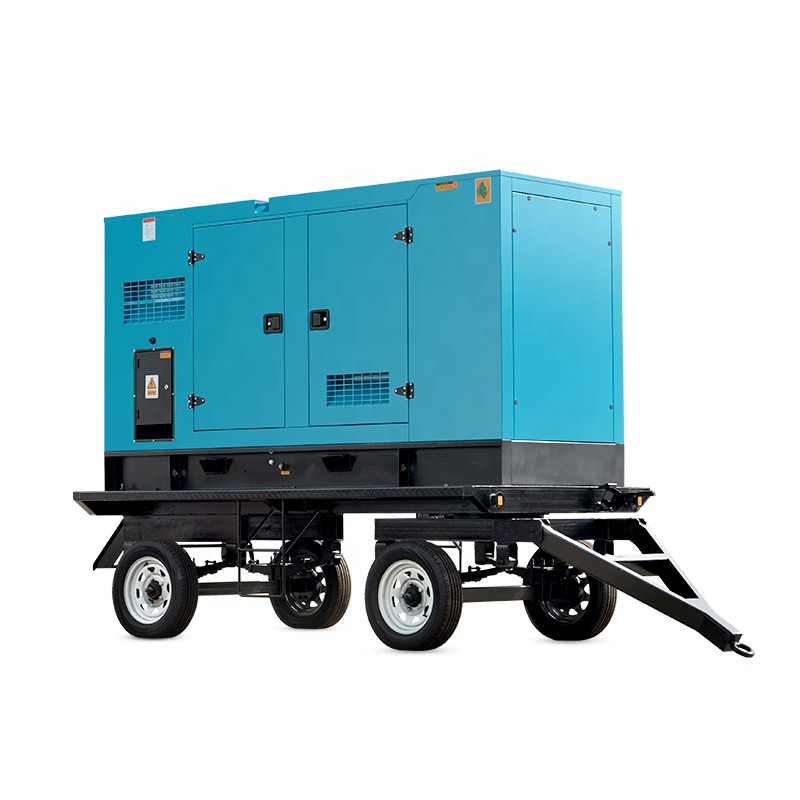
At our company, we offer a wide range of low noise diesel generators to meet your needs. Whether you're looking for a 100kw Silent Diesel Generator, a 20kw Silent Diesel Generator, or a Mobile Silent Diesel Generator, we've got you covered. Our generators are known for their reliability, low noise levels, and high performance.
If you're interested in purchasing a low noise diesel generator or have any questions about storage or maintenance, don't hesitate to reach out. We're here to help you make the right choice for your power needs.
References
- Diesel Generator Maintenance Guide, Manufacturer's Manuals
- Industry Best Practices for Generator Storage