


As a supplier of Marine Diesel Generator Sets, I've seen firsthand the challenges that saltwater corrosion poses to these vital pieces of equipment. Saltwater is a highly corrosive environment, and if not properly managed, it can significantly reduce the lifespan and performance of your marine diesel generator set. In this blog, I'll share some practical tips on how to prevent saltwater corrosion and keep your generator running smoothly.
Understanding Saltwater Corrosion
Before we dive into prevention methods, it's important to understand how saltwater corrosion works. Saltwater contains a high concentration of dissolved salts, primarily sodium chloride. When metal components of a marine diesel generator set come into contact with saltwater, an electrochemical reaction occurs. This reaction causes the metal to break down, leading to rust and corrosion.
The rate of corrosion depends on several factors, including the type of metal, the temperature of the water, and the oxygen content. Some metals, like stainless steel, are more resistant to corrosion than others. However, even stainless steel can corrode over time in a saltwater environment.
Choosing the Right Materials
One of the most effective ways to prevent saltwater corrosion is to choose the right materials for your marine diesel generator set. When selecting components, look for materials that are resistant to corrosion. Stainless steel is a popular choice for many parts, as it has a high resistance to rust and corrosion. Other corrosion-resistant materials include aluminum, bronze, and titanium.
In addition to choosing the right materials, it's also important to ensure that the components are properly coated. A good coating can provide an extra layer of protection against saltwater corrosion. There are several types of coatings available, including epoxy, polyurethane, and zinc-rich paints. These coatings can help to prevent the metal from coming into contact with saltwater, reducing the risk of corrosion.
Regular Maintenance
Regular maintenance is essential for preventing saltwater corrosion. This includes cleaning the generator set regularly to remove salt and other contaminants. Use a mild detergent and fresh water to clean the exterior of the generator. Avoid using abrasive cleaners, as they can damage the protective coating on the metal.

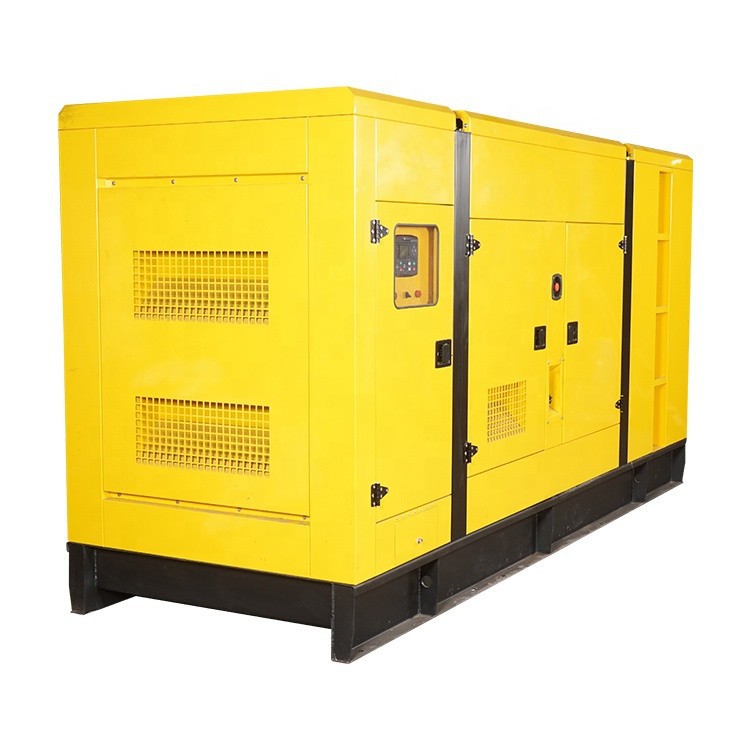
In addition to cleaning, it's also important to inspect the generator set regularly for signs of corrosion. Look for rust, pitting, or other signs of damage. If you notice any corrosion, it's important to address it immediately. Small areas of corrosion can be treated with a rust converter or a corrosion inhibitor. Larger areas of corrosion may require more extensive repairs.
Proper Storage
Proper storage is another important factor in preventing saltwater corrosion. When the generator set is not in use, it should be stored in a dry, protected area. This can help to prevent moisture from accumulating on the metal components, reducing the risk of corrosion.
If the generator set is stored outdoors, it should be covered with a waterproof tarp. Make sure the tarp is securely fastened to prevent water from seeping in. It's also a good idea to elevate the generator set off the ground to prevent it from coming into contact with standing water.
Use of Corrosion Inhibitors
Corrosion inhibitors are chemicals that can be added to the fuel or coolant of the generator set to help prevent corrosion. These inhibitors work by forming a protective layer on the metal surface, preventing the saltwater from coming into contact with the metal.
There are several types of corrosion inhibitors available, including organic and inorganic inhibitors. Organic inhibitors are typically made from natural substances, such as plant extracts, while inorganic inhibitors are made from chemicals, such as phosphates and nitrates.
When using a corrosion inhibitor, it's important to follow the manufacturer's instructions carefully. Overuse of a corrosion inhibitor can actually cause more harm than good, as it can lead to the formation of deposits on the metal surface.
Monitoring and Testing
Regular monitoring and testing are essential for preventing saltwater corrosion. This includes monitoring the temperature, pressure, and other operating parameters of the generator set. By monitoring these parameters, you can detect any signs of corrosion or other problems early on, allowing you to take corrective action before the problem becomes more serious.
In addition to monitoring, it's also important to test the generator set regularly for corrosion. This can be done using a variety of methods, including visual inspection, ultrasonic testing, and electrochemical testing. These tests can help to detect any signs of corrosion or other damage, allowing you to take corrective action before the problem becomes more serious.
Conclusion
Preventing saltwater corrosion is essential for ensuring the long-term performance and reliability of your marine diesel generator set. By choosing the right materials, performing regular maintenance, storing the generator set properly, using corrosion inhibitors, and monitoring and testing the generator set regularly, you can significantly reduce the risk of saltwater corrosion.
If you're in the market for a marine diesel generator set, we offer a wide range of options to meet your needs. Check out our Construction Diesel Generator, Prime Power Diesel Generator, and Standby Diesel Generator Set. If you have any questions or would like to discuss your specific requirements, feel free to reach out and start a conversation about your potential purchase.
References
- Jones, D. A. (1996). Principles and Prevention of Corrosion. Prentice Hall.
- Uhlig, H. H., & Revie, R. W. (1985). Corrosion and Corrosion Control: An Introduction to Corrosion Science and Engineering. Wiley.
- Fontana, M. G. (1986). Corrosion Engineering. McGraw-Hill.