


Hey there! As a supplier of natural gas generators, I often get asked about how to adjust the voltage output of these machines. It's a crucial aspect, especially when you're using the generator to power different types of equipment. So, let's dive right into it and explore the ins and outs of voltage adjustment for natural gas generators.
Understanding the Basics of Voltage in Natural Gas Generators
First things first, it's important to understand what voltage is and why it matters. Voltage is like the "pressure" of the electrical current flowing from your generator. Just like water needs a certain pressure to flow through pipes, electricity needs a specific voltage to power devices properly. If the voltage is too low, your equipment might not work as efficiently, or it might not work at all. On the other hand, if the voltage is too high, it can damage your devices.
Natural gas generators usually have a standard voltage output, but in some situations, you might need to adjust it. For example, if you're moving from a region with one standard voltage to another, or if you're using equipment that requires a different voltage than what the generator is currently providing.
Tools You'll Need
Before we start adjusting the voltage, let's talk about the tools you'll need. You don't need a whole bunch of fancy equipment, but having the right tools will make the process a lot easier and safer.
- Voltmeter: This is a must-have. A voltmeter measures the voltage of your generator. You can get a basic one at any hardware store. It'll help you determine the current voltage output and if any adjustments are needed.
- Screwdriver set: You'll probably need a Phillips and a flathead screwdriver. These will come in handy when you need to open up the generator's control panel.
- Owner's manual: This might seem obvious, but it's super important. The manual will have specific instructions for your generator model, including how to adjust the voltage.
Step-by-Step Guide to Adjusting the Voltage
Now, let's get to the main event - adjusting the voltage. Here's a general step-by-step guide, but remember to always refer to your generator's owner's manual for the most accurate instructions.
Step 1: Safety First
Safety should always be your top priority. Before you start working on the generator, make sure it's turned off and disconnected from any power sources. This includes unplugging any devices connected to the generator and turning off the fuel supply.
Step 2: Locate the Voltage Regulator
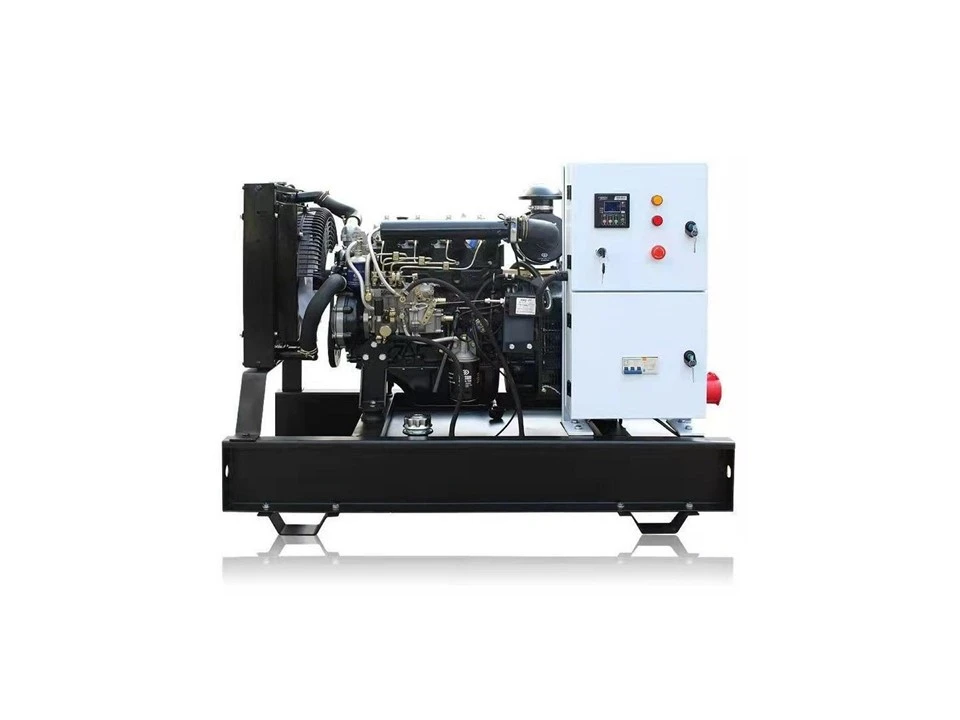
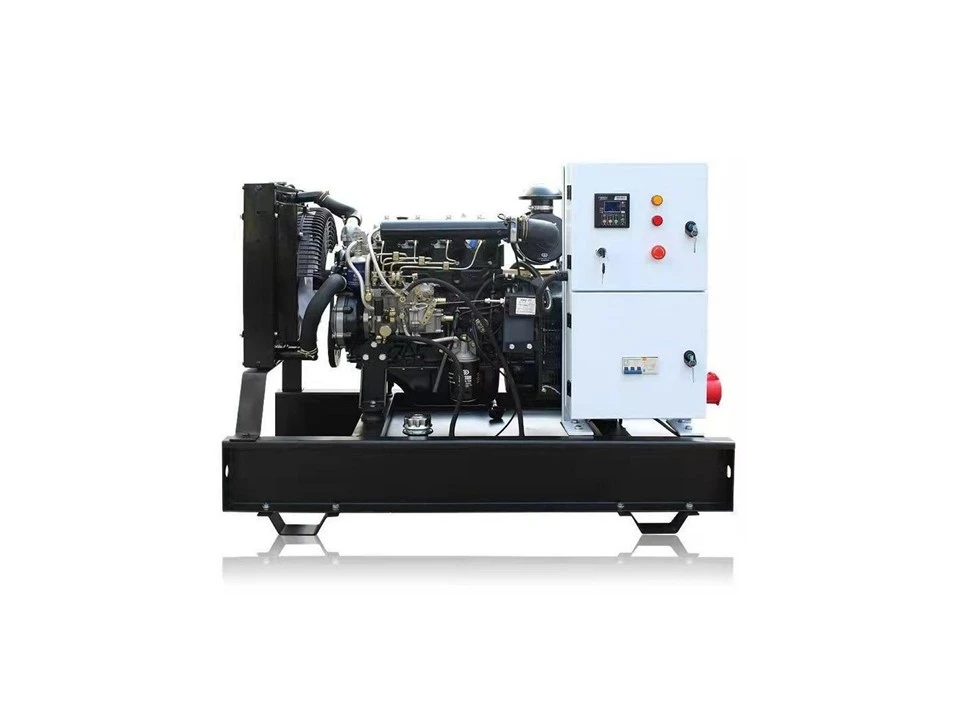
The voltage regulator is the part of the generator that controls the voltage output. It's usually located inside the control panel. Use your screwdriver to carefully remove the cover of the control panel. Be gentle so you don't damage any of the wires or components.
Step 3: Check the Current Voltage
Once you've located the voltage regulator, use your voltmeter to check the current voltage output of the generator. Connect the voltmeter to the appropriate terminals on the generator, following the instructions in the voltmeter's manual. Take note of the reading.
Step 4: Make the Adjustment
If the voltage reading is too low or too high, it's time to make an adjustment. On the voltage regulator, there's usually a small screw or knob that you can turn to increase or decrease the voltage. Turn the screw or knob in small increments, then use the voltmeter to check the voltage again. Keep doing this until you reach the desired voltage. It might take a few tries to get it just right.
Step 5: Reassemble and Test
Once you're satisfied with the voltage adjustment, carefully put the cover back on the control panel. Make sure all the screws are tightened properly. Then, turn on the generator and reconnect any devices. Use the voltmeter one more time to double-check the voltage output. If everything looks good, you're all set!
Common Issues and Troubleshooting
Sometimes, things don't go as smoothly as we'd like. Here are some common issues you might encounter when adjusting the voltage of a natural gas generator and how to troubleshoot them.
The Voltage Won't Change
If you're turning the adjustment screw on the voltage regulator, but the voltage isn't changing, there could be a few reasons. First, make sure the generator is running at the correct speed. If it's running too slow, the voltage might not adjust properly. You can check the speed using a tachometer.
Another possibility is that the voltage regulator is faulty. If you suspect this is the case, it's best to contact a professional technician. They'll be able to diagnose the problem and replace the voltage regulator if necessary.
The Voltage Keeps Fluctuating
If the voltage keeps going up and down, it could be due to a problem with the fuel supply. Make sure there's enough natural gas flowing to the generator. You might also want to check the fuel lines for any leaks or blockages.
Another cause of voltage fluctuations could be a problem with the generator's wiring. Inspect the wires for any signs of damage, such as fraying or loose connections. If you find any issues, you'll need to repair or replace the wires.
Other Generator Options
At our company, we offer a wide range of generators to meet different needs. If you're interested in other types of generators, check out our 3 Cylinder Diesel Generator, Prime Power Diesel Generator, 62kVA Generator, Hybrid Generator, and Marine Generator.
Conclusion
Adjusting the voltage output of a natural gas generator might seem a bit intimidating at first, but with the right tools and a little know-how, it's a manageable task. Just remember to follow the safety guidelines, refer to your owner's manual, and take your time. If you run into any problems, don't hesitate to reach out to a professional.
If you're in the market for a new natural gas generator or need more information about voltage adjustment, feel free to contact us for a purchase and negotiation. We're here to help you find the perfect generator for your needs and ensure it's working at its best.
References
- Generator Owner's Manuals
- Electrical Engineering Textbooks
- Online Resources on Generator Maintenance and Troubleshooting