


As a supplier of Quiet Diesel Generators, I've had the privilege of delving deep into the world of noise reduction technology across various brands. In this blog, I'll explore how the noise reduction technologies of different quiet diesel generator brands differ, providing insights that can help you make an informed decision when purchasing a generator.
Understanding the Basics of Noise in Diesel Generators
Before we dive into the differences in noise reduction technology, it's important to understand the sources of noise in diesel generators. Diesel generators produce noise from several sources, including the engine, exhaust system, and cooling fan. The engine noise is primarily due to the combustion process, while the exhaust noise is a result of the high - pressure gases being expelled from the engine. The cooling fan also generates noise as it moves air to cool the engine.
Noise Reduction Technologies Used by Different Brands
Acoustic Enclosures
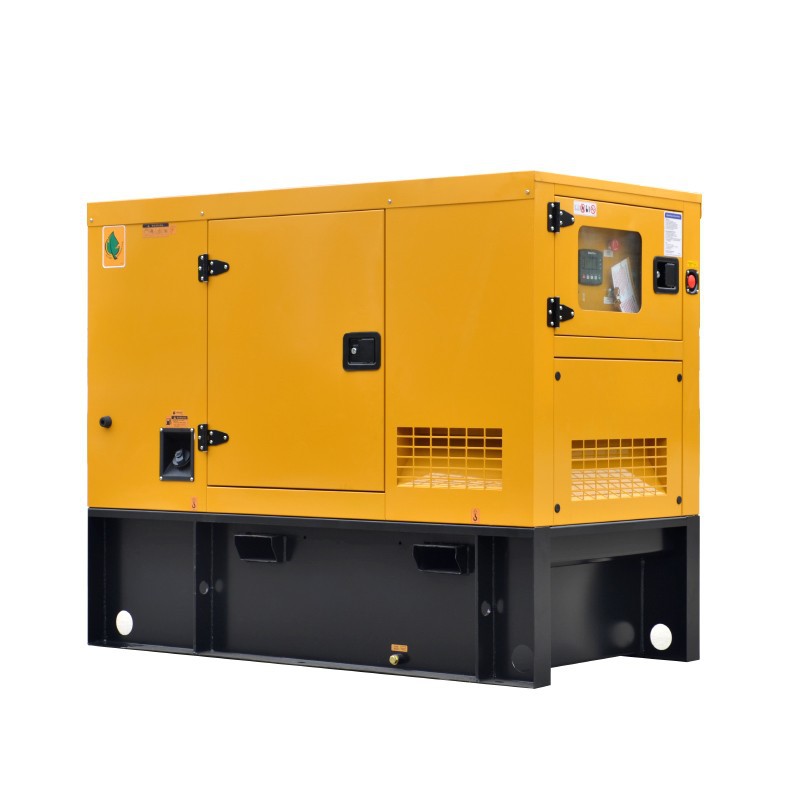
One of the most common noise reduction techniques used by many brands is the use of acoustic enclosures. These enclosures are designed to surround the generator and absorb or reflect the sound waves. Different brands use different materials and designs for their acoustic enclosures.
Some brands use high - density foam materials in their enclosures. Foam has excellent sound - absorbing properties, as it can trap sound waves within its porous structure. For example, Brand A might use a thick layer of polyurethane foam in its Quiet Diesel Generator. This foam is specifically engineered to absorb a wide range of frequencies, reducing both high - pitched and low - pitched noises.
On the other hand, Brand B might opt for a more rigid enclosure made of steel with an internal lining of fiberglass. The steel provides a solid structure that can reflect sound waves, while the fiberglass lining helps to absorb the remaining sound. This combination can be very effective in reducing noise, especially for larger generators like the 200kw Silent Diesel Generator.
Exhaust Silencers
The exhaust system is another major source of noise in diesel generators. Brands employ different types of exhaust silencers to reduce this noise.
Some brands use multi - chamber silencers. These silencers have multiple chambers that are designed to break up the sound waves and reduce their intensity. Brand C, for instance, has developed a unique multi - chamber exhaust silencer for its Canopy Diesel Generator. The chambers are carefully designed to create interference patterns that cancel out the sound waves, resulting in a significant reduction in exhaust noise.
Other brands use catalytic converters with built - in silencing features. These converters not only reduce harmful emissions but also help to muffle the exhaust noise. Brand D's generators are equipped with such catalytic converters, which are designed to optimize both emission control and noise reduction.
Engine Design and Tuning
The design and tuning of the engine itself can also have a significant impact on noise levels. Some brands focus on optimizing the combustion process to reduce noise.
Brand E uses advanced fuel injection systems that precisely control the amount and timing of fuel injection. This results in a more efficient and quieter combustion process. By ensuring that the fuel is burned evenly and completely, the engine produces less noise. In addition, Brand E also uses vibration - dampening materials in the engine mounts to reduce the transmission of engine vibrations to the generator frame, further reducing noise.
Brand F, on the other hand, focuses on the overall design of the engine. It has developed a compact and lightweight engine design that reduces the amount of moving parts, which in turn reduces noise. The engine is also tuned to run at a lower RPM, which not only reduces fuel consumption but also lowers the noise level.
Cooling System Design
The cooling system of a diesel generator can also be a source of noise. Different brands use different cooling system designs to minimize this noise.
Some brands use variable - speed cooling fans. These fans adjust their speed based on the temperature of the engine. Brand G's 50kw Silent Diesel Generator is equipped with a variable - speed cooling fan. When the engine is running at a lower load and generating less heat, the fan runs at a lower speed, reducing noise. As the engine load increases and the temperature rises, the fan speeds up to provide adequate cooling.
Other brands use liquid - cooled systems instead of air - cooled systems. Liquid - cooled systems are generally quieter because they do not rely on a large, noisy fan to cool the engine. Brand H's generators use a liquid - cooled system that circulates coolant through the engine to remove heat. This system is more efficient and quieter than air - cooled systems, especially for larger generators.

Factors Affecting the Effectiveness of Noise Reduction Technology
The effectiveness of noise reduction technology can be affected by several factors.
Generator Size and Power Output
Larger generators with higher power outputs generally produce more noise. Therefore, the noise reduction technology used in these generators needs to be more advanced. For example, a 200kw Silent Diesel Generator will require a more robust acoustic enclosure and a more efficient exhaust silencer compared to a smaller generator.
Operating Conditions
The operating conditions of the generator can also affect the noise level. For instance, if the generator is operating in a hot and humid environment, the cooling system may need to work harder, which can increase the noise level. Similarly, if the generator is running at a high load for an extended period, the engine may produce more noise.
Installation and Maintenance
Proper installation and maintenance are crucial for the effectiveness of noise reduction technology. If the acoustic enclosure is not properly sealed, or if the exhaust silencer is damaged, the noise reduction performance will be significantly reduced. Regular maintenance, such as cleaning the air filters and checking the engine mounts, can also help to ensure that the generator operates quietly.
Choosing the Right Quiet Diesel Generator
When choosing a quiet diesel generator, it's important to consider the noise reduction technology used by different brands. Look for generators that use a combination of acoustic enclosures, exhaust silencers, engine design, and cooling system design to reduce noise.
Also, consider the specific requirements of your application. If you need a generator for a residential area, you'll want a generator with a very low noise level. On the other hand, if you're using the generator in an industrial setting, you may be able to tolerate a slightly higher noise level.
If you're interested in purchasing a Silent Diesel Generator, I'd be more than happy to assist you. We offer a wide range of quiet diesel generators with advanced noise reduction technology. Contact us to discuss your requirements and let's find the perfect generator for you.
References
- Diesel Generator Handbook: A Comprehensive Guide to Diesel Generator Technology and Applications
- Noise Control Engineering: Principles and Applications
- Journal of Power Sources: Research on Noise Reduction in Diesel Generators